

teresasperling
teresasperling
The Rise of Private Flying: A Brand new Era In Aviation
Introduction
Private flying has experienced a big transformation over the previous few decades, evolving from a niche pastime for the rich to a viable mode of transportation for enterprise leaders, entrepreneurs, and even families. This text explores the factors contributing to the rise of private flying, the technological developments that have made it extra accessible, and the implications for the aviation business and society at massive.

Historic Context
Private aviation can hint its roots again to the early 20th century, with the appearance of the primary private aircraft. Nonetheless, it was not till after World Struggle II that private flying started to achieve recognition. The publish-struggle financial boom, coupled with advancements in aviation technology, made proudly owning a private aircraft more feasible for affluent individuals. The introduction of light aircraft and the establishment of fastened-base operators (FBOs) additional democratized entry to private flying, permitting extra folks to expertise the advantages of aviation.
Components Driving the growth of Private Flying
Several components have contributed to the surge in private flying lately:
- Time Efficiency: Certainly one of the first reasons individuals and companies flip to private flying is the numerous time savings it provides. Private jets can bypass the long security strains and boarding processes associated with industrial flights, allowing travelers to reach their destinations more rapidly. This is especially advantageous for enterprise executives who need to attend multiple conferences in numerous cities within a single day.
- Increased Accessibility: The rise of fractional possession and jet card programs has made private flying extra accessible to a broader audience. Fractional possession allows people to buy a share of an aircraft, reducing the upfront prices and ongoing expenses related to full possession. Jet card packages provide pre-paid flight hours on a wide range of aircraft, providing flexibility with out the commitment of ownership.
- Technological Advancements: Innovations in aviation expertise have led to the event of more efficient and cost-efficient aircraft. Trendy jets are geared up with advanced avionics, improved gasoline efficiency, and enhanced security options, making private flying a extra engaging option. Additionally, the rise of electric and hybrid aircraft is poised to further revolutionize the trade by decreasing environmental influence and operational costs.
- Altering Travel Preferences: The COVID-19 pandemic has accelerated a shift in travel preferences, with many people in search of safer and extra private journey options. Private flying affords a controlled atmosphere, minimizing publicity to crowded airports and public transportation. Because of this, many first-time private flyers have emerged from the pandemic, resulting in a surge in demand for private aviation companies.
The Economics of Private Flying
The economics of private flying have developed significantly, with various financial fashions catering to completely different consumer wants. Conventional possession stays an choice for many who fly steadily, but many people and companies are opting for extra versatile preparations. Fractional ownership and charter companies have gained recognition, allowing users to pay just for the hours they fly.
Additionally, the emergence of on-demand charter companies has disrupted the normal private aviation mannequin. Companies like Wheels Up, VistaJet, and NetJets have made it simpler for individuals to guide flights on short discover, providing a more agile and price-effective solution for sporadic travelers. This shift in direction of on-demand services has broadened the market, interesting to a youthful demographic that values flexibility and convenience.
Environmental Considerations
As private flying continues to develop, so too do concerns about its environmental influence. The aviation business is chargeable for a big portion of global greenhouse gasoline emissions, and private flying isn’t any exception. If you loved this short article and you would want to receive much more information concerning Dr Pojarashki please visit the internet site. Nonetheless, the trade is actively exploring ways to mitigate its environmental footprint. Initiatives akin to sustainable aviation fuel (SAF) and carbon offset packages are gaining traction, with many private operators committing to lowering their emissions.
Moreover, the event of electric and hybrid aircraft presents a possibility for the business to transition in the direction of more sustainable practices. While nonetheless within the early levels, these technologies hold promise for decreasing emissions and operational costs sooner or later.
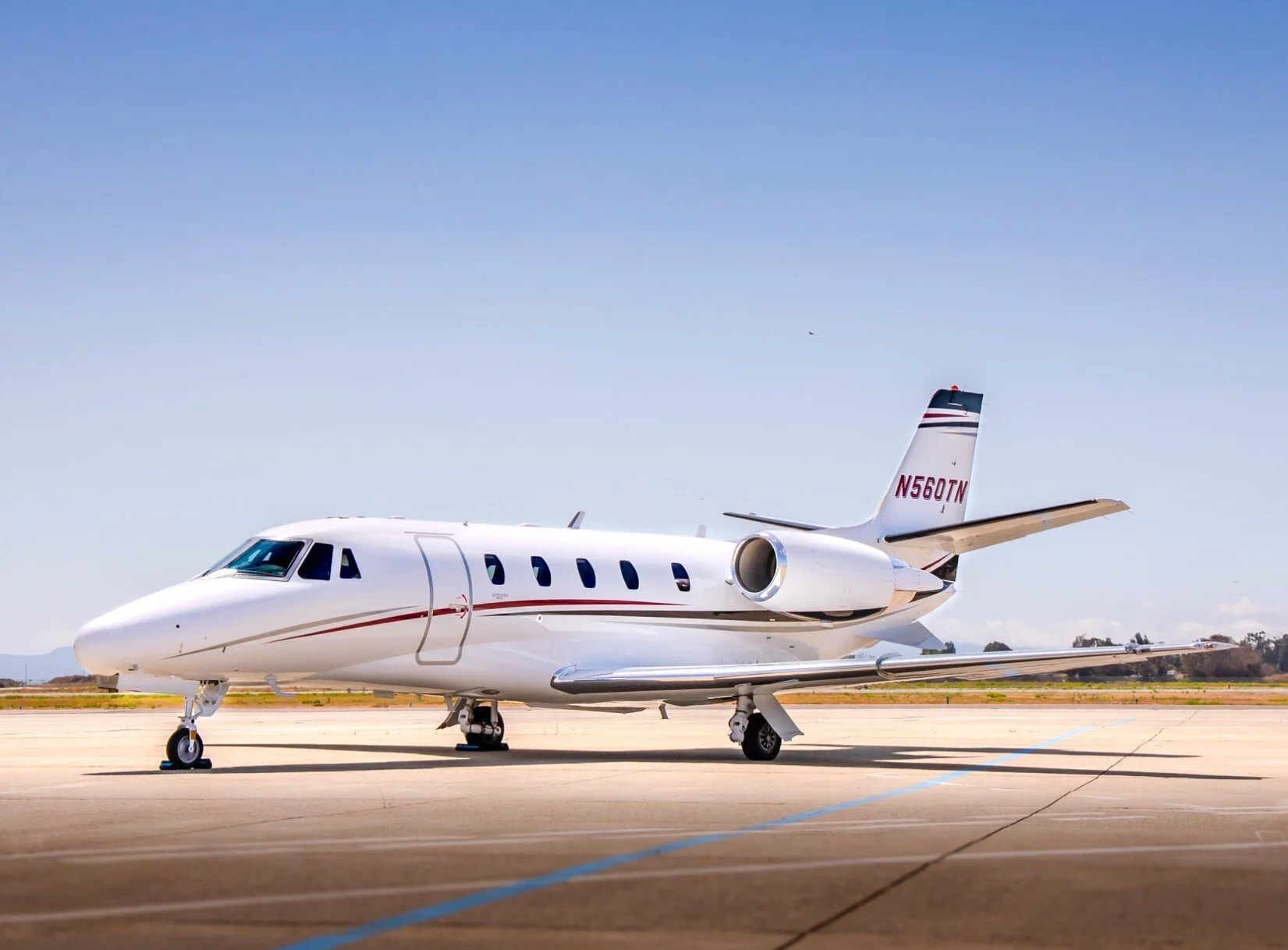
The way forward for Private Flying
Trying forward, the future of private flying seems shiny, with continued progress expected in the coming years. A number of trends are likely to shape the business:
- Elevated Personalization: As competition intensifies, private aviation companies are focusing on offering personalised experiences for their clients. This includes tailor-made in-flight companies, customized itineraries, and enhanced buyer assist, all aimed at making a more luxurious and pleasing travel expertise.
- Integration of Know-how: The integration of expertise into private aviation is set to speed up, with developments in artificial intelligence, machine studying, and knowledge analytics remodeling operations. From optimizing flight routes to enhancing customer support, know-how will play a crucial function in shaping the future of private flying.
- Regulatory Modifications: As private flying turns into extra mainstream, regulatory frameworks are prone to evolve. Governments might implement new insurance policies to address security, security, and environmental concerns, impacting how private aviation operates. Stakeholders in the industry will need to adapt to those changes to make sure compliance and sustainability.
- Emergence of City Air Mobility: The idea of urban air mobility (UAM) is gaining traction, with the potential to revolutionize short-distance journey in city environments. Electric vertical takeoff and landing (eVTOL) aircraft are being developed to facilitate quick and efficient transportation inside cities, further integrating private flying into on a regular basis life.
Conclusion
Private flying has come a great distance from its origins as a luxury pastime for the elite. As we speak, it represents a dynamic and evolving sector of the aviation industry, driven by technological advancements, changing shopper preferences, and a growing emphasis on effectivity and convenience. Because the business continues to adapt to new challenges and opportunities, private flying is poised to turn out to be an increasingly integral part of modern transportation, providing a glimpse into the way forward for journey. With a concentrate on sustainability and innovation, the subsequent chapter of private aviation promises to be as thrilling as its previous.